
Izzy Silvers on Mixed Identity, Medication, Grief and Mental Health
"I can honestly say that it gave me the space, the brain space to do all of the work in therapy, in CBT, that I needed to do. But without medication, I don't think I would have had the clarity to be able to do that."
"The time that you invest in yourself is really, really important."
"If I rest, I will get better after being sick quicker."
"Mixedness is such a variety of different experiences. We don't all look the same, we don't all have the same heritage, we don't all think the same."
Award-winning journalist and Mixed Messages founder Izzy Silvers shares her personal journey through therapy and medication, the lessons learned about self-care, and the complexities of mixed identity, including grief once-removed and the importance of allowing yourself the time to understand your own journey.
What you'll learn
- How second-degree grief can be as disorienting as direct loss
- The role of therapy and medication in managing mental health challenges
- Why mixed identity is a spectrum rather than a fixed label
- How to allow yourself the time to understand your own journey
Key moments from the conversation
Facing grief once-removed: a different kind of loss
In 2017, at age 25, Izzy experienced wave after wave of loss: her best friend's father died unexpectedly, then 18 months later her best friend's mother. Izzy's former schoolteacher, was diagnosed with a brain tumour and died within six weeks. Another close friend was in an accident and nearly lost her life. A third friend's father passed away. Izzy frames this as 'grief once-removed', the losses were not hers directly, but the closeness of the relationships made them devastating. She felt she had no right to grieve as openly as the primary mourners, which suppressed her own processing.
The journey to seeking help: therapy and medication
The breaking point came on a trip to the Edinburgh Fringe, crying in a hotel bathroom at 2–4 a.m., unable to sleep, unable to go on. At breakfast she opened up to a friend for the first time, booked a doctor's appointment, and began the journey to therapy and medication. Izzy is unambiguous: medication gave her the brain space to do the work in CBT and talking therapy. She is openly proud of that decision and advocates for others to remove the shame from it.
Creating Mixed Messages: a platform for mixed-race identity
Mixed Messages is the Substack newsletter Izzy founded to empower mixed-race individuals and foster understanding around racial identity. It began from her experience working in a predominantly white journalism industry and asking herself what it meant to be mixed within that context. She now interviews a different mixed-race person each week, showcasing the full breadth of experience, from people who find it the most defining thing about them to those who find it the most boring. A woman stopped her on a train to say she reads Mixed Messages to learn how to raise her mixed child.
Mixed identity: a spectrum, not a label
A central argument in Izzy's work is that mixed identity is a spectrum, not a label, reducing it to a single category misrepresents the lived reality of people who move between multiple racial and cultural identities. She is frustrated by bad-faith online conversations that deny people access to their heritage because they also hold another heritage. Her position: the world racialises people whether they self-identify or not, and that experience shapes the lived reality regardless of what any online community decides.
Practical tools: movement, decompression and baking
Alongside therapy and medication, Izzy maintains her mental health through regular exercise (even though she dislikes it), deliberate alone time and decompression without screens, and baking, which she describes as a mindful, practical activity that lets her take her mind off things while producing something to enjoy. Her most recent bake: a simple vegan lemon drizzle cake.
Frequently asked questions
What is Mixed Messages?
Mixed Messages is a platform and newsletter founded by Izzy Silvers on Substack that empowers mixed-race individuals and fosters understanding around racial identity. She interviews a different mixed-race person each week, showcasing the breadth of experience across heritages, cultures and geographies.
What is second-degree grief?
Izzy describes second-degree grief, or grief once-removed, as grief experienced at a remove from the primary loss. She shares how this type of grief can be disorienting precisely because it is harder to claim or name, and offers practical advice on how to navigate it: lean on your own network, and when the time is right, tell the primary mourner that their loved one mattered to you too.
What does Izzy Silvers say about medication and mental health?
Izzy shares her personal experience with therapy and medication openly, describing medication as what gave her the brain space to do the deeper work in CBT and talking therapy. She is an advocate for removing shame from medication and is openly proud of having sought that support.
How should you talk to someone who has just lost a parent?
Izzy recommends reading the other person's emotional state first and using touchpoints, a photo on the wall, a shared memory, to open the door. Ask directly if it is okay to talk about the person who has passed. More often than not, she says, the primary mourner wants to hear that their loved one touched your life. And don't wait to be invited, your friends are often waiting for you to make the first move.
Who is Izzy Silvers?
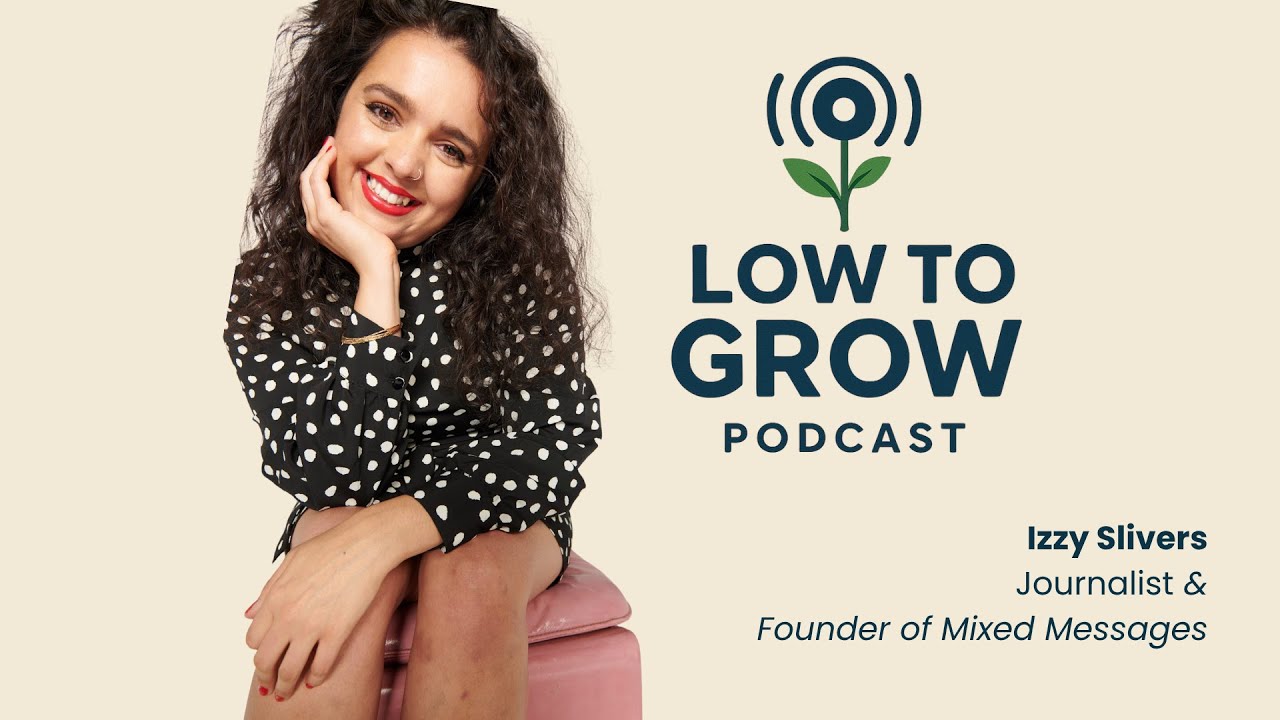
Izzy Silvers
Award-winning Journalist and Founder · Mixed Messages
Izzy is a BAFTA Connect Member, Global Ambassador for Graduate Fashion Week, and a distinguished freelance journalist with bylines in renowned publications such as Harper's Bazaar, ELLE, and Cosmopolitan. She was recognized as one of MediaWeek's 30 Under 30 and shortlisted for awards including Workplace Hero at the Investing in Ethnicity Awards. Drawing on her Punjabi and British heritage, Izzy founded Mixed Messages, a weekly newsletter that amplifies diverse voices discussing mixed-race experiences.
Continue listening
More episodes

2026-06-07
Eileen Wada Willett of East Asian Girl Gang: A Third Culture Take on Identity, Fashion and Community
Listen →
2026-05-24
Dhritiman Mitra Investment Banker and Political Strategist: Insights on Harnessing AI for India's Future
Listen →
2026-05-10