
Izzy Silvers on Media Bias, Meghan Markle Coverage and Race in Journalism
"It feels like Meghan can't do anything right. And I do think a large proportion of that is racist."
"Was it really a news story that Meghan had avocado on toast? I don't think so."
"We all have unconscious bias. It's not necessarily a bad thing. It's just about how do we check ourselves."
"Just leave her alone. Let her bake her cakes. I want to live her life, but she's a rich woman, of course she's going to do these things."
Award-winning journalist and Mixed Messages founder Izzy Silvers joins Annie for a bonus episode examining the media portrayal of Meghan Markle, exploring double standards in royal coverage, the role of race and misogyny in reporting, and how to become a more critically literate media consumer.
What you'll learn
- How to identify double standards and bias in media reporting
- Why different media sources report opposing views on the same subject
- The role of racism and misogyny in the portrayal of Meghan Markle
- How to navigate unconscious bias in journalism
- The importance of constructive criticism and compassionate storytelling
Key moments from the conversation
Has the press treated Meghan differently? An evidence-based look
Izzy approaches the question of whether the press has treated Meghan Markle differently with a direct comparison: when Meghan ate avocados, a newspaper ran a headline about how she was contributing to global evils through her food choices. When Kate Middleton ate avocados, the story was that it was a healthy food for her unborn child. Izzy concludes that this double standard is clear, consistent, and tied to who Meghan is, her mixed-race identity, her American identity, and the fact that she was divorced.
Racism and misogyny in media portrayal
Izzy identifies the media coverage of Meghan as racist, misogynistic, unfair and scathing. She points specifically to the 'aggressive Black woman' stereotype being applied to Meghan's behaviour in ways that are not applied to other royals whose behaviour has been comparable. She also notes that the UK media has a pattern of building people up only to tear them down, citing Caroline Flack's story as a parallel, and that the coverage contributed to Meghan speaking publicly about her severe mental health struggles and suicidal thoughts.
Media literacy: why opposing views on the same story exist
Izzy offers a practical framework for critical media consumption: compare how two publications with different ideological bases cover the same story; be cautious of statistics and who funded them; check who posted something before resharing it; and be willing to browse publications you would not normally read to see outside your echo chamber. Her central point: the media both reflects and shapes public opinion, and readers need to be actively distrustful rather than passively absorbing what confirms their existing views.
Compassionate storytelling as an antidote to bias
Izzy shares why she advocates for more compassionate and nuanced storytelling, and what that looks like in practice when covering stories that intersect with race, identity, and public scrutiny. She describes challenging herself when she noticed that a piece she wrote about textured hair only featured mixed-race women with looser curl patterns, and how a reader's critique on social media changed her practice as a journalist permanently. Being open to constructive criticism is not a weakness, it is how you become a more inclusive storyteller.
How Izzy navigated racism in the workplace
Izzy shares two examples of workplace racism she experienced early in her career: a colleague making derogatory comments about a plus-size influencer, and another saying Rihanna needed to 'put more clothes on' at Carnival, in the same breath as planning to cover Kylie Jenner in a bikini. At the time she did not feel confident enough to call it out in the room. Her advice now: take the person aside separately, explain how their comment could unintentionally reinforce racial stereotypes, and give them the chance to learn without the defensiveness that comes from public embarrassment.
Frequently asked questions
What is Mixed Messages?
Mixed Messages is a platform and newsletter founded by Izzy Silvers that empowers mixed-race individuals and fosters understanding around racial identity. Izzy interviews a different mixed-race person each week to showcase the breadth of experience across heritages, cultures, and geographies.
Has the media treated Meghan Markle differently to other royals?
Izzy Silvers examines this question directly in the episode, pointing to specific examples such as the avocado coverage and the repeated invocation of aggressive-woman stereotypes. Her verdict: the coverage has been racist, misogynistic, unfair, and scathing, and it is impossible to divorce Meghan's treatment from her mixed-race identity, American background, and the fact that she was divorced.
How can listeners become more media literate?
Izzy shares a framework for critical media consumption: compare the same story across publications with different ideological leanings; scrutinise statistics and their sources; check who is posting something before resharing; be cautious of your echo chamber; and take a moment to ask yourself whether the publication has a narrative it is trying to support before accepting its framing. The goal is active distrust rather than passive consumption.
What responsibility does the media have to challenge racial stereotypes?
Izzy argues that every journalist and every media organisation has a responsibility to be aware of the stereotypes they could unintentionally reinforce, not through explicit anti-racism pieces, but by having the checks and diverse teams in house that catch those biases before publication. She is concerned that the rollback of DEI programmes across media organisations will directly worsen the inclusivity of content.
Who is Izzy Silvers?
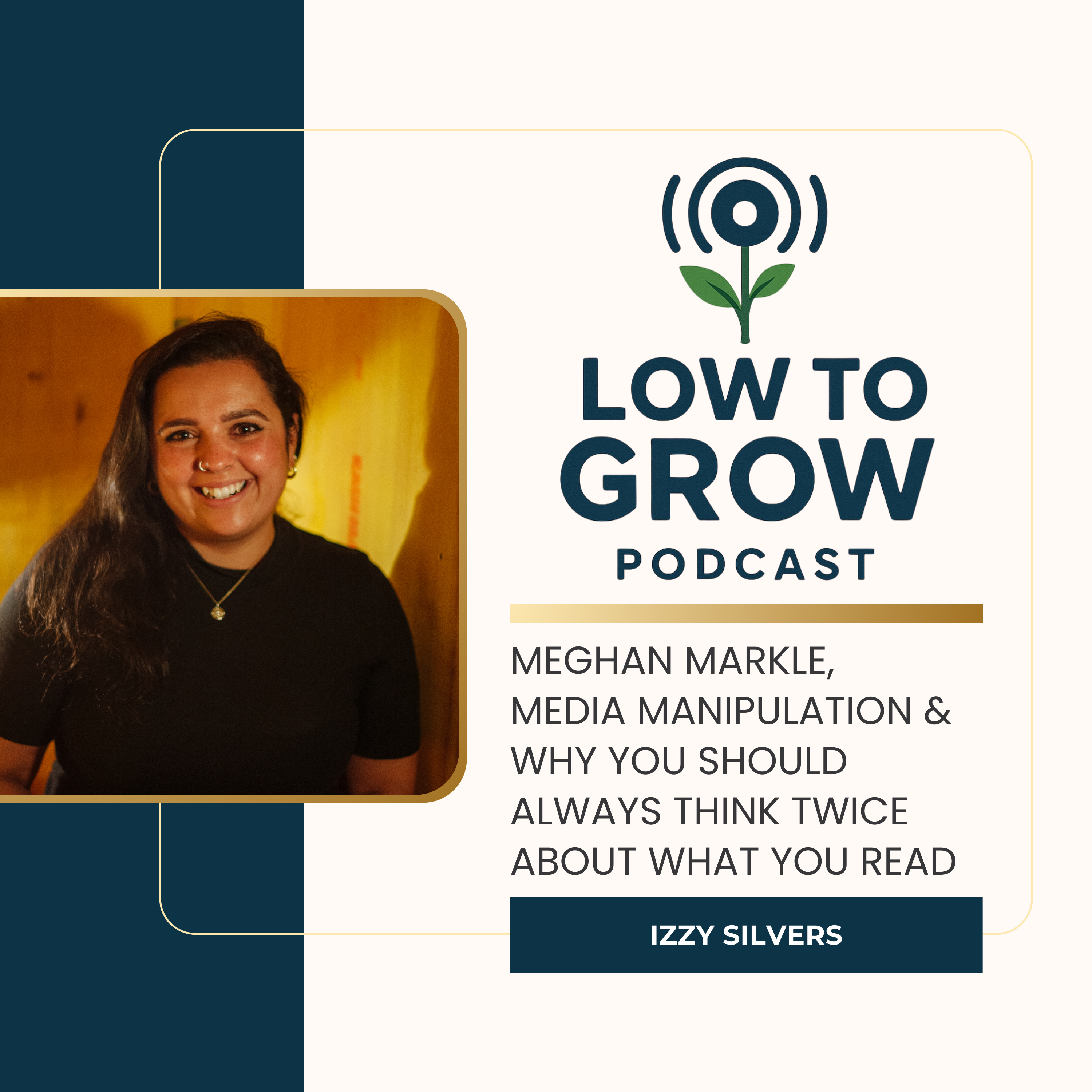
Izzy Silvers
Award-winning Journalist and Founder · Mixed Messages
Izzy is a BAFTA Connect Member, Global Ambassador for Graduate Fashion Week, and a distinguished freelance journalist with bylines in renowned publications such as Harper's Bazaar, ELLE, and Cosmopolitan. She was recognized as one of MediaWeek's 30 Under 30 and shortlisted for awards including Workplace Hero at the Investing in Ethnicity Awards. Drawing on her Punjabi and British heritage, Izzy founded Mixed Messages, a weekly newsletter that amplifies diverse voices discussing mixed-race experiences.
Continue listening
More episodes

2026-06-07
Eileen Wada Willett of East Asian Girl Gang: A Third Culture Take on Identity, Fashion and Community
Listen →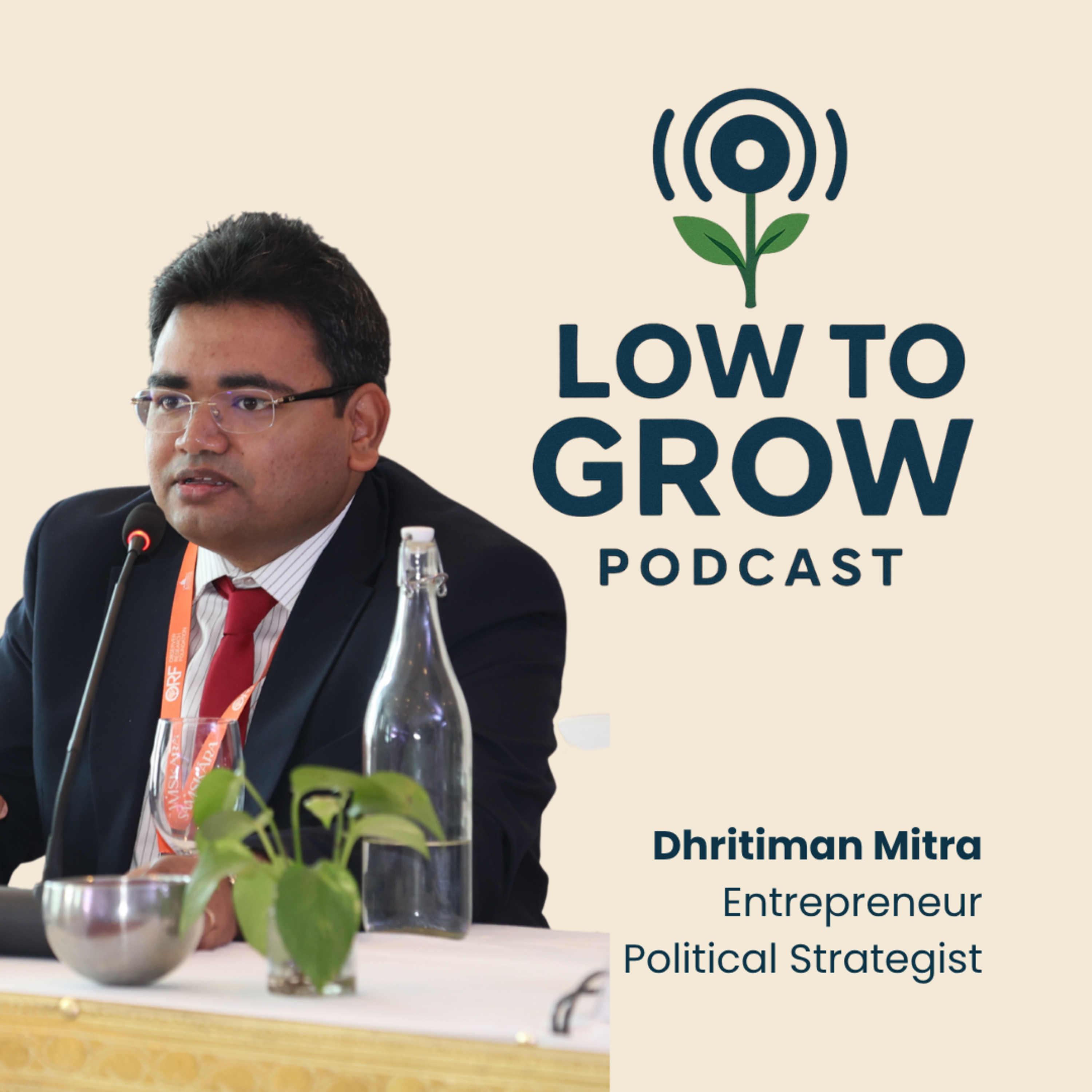
2026-05-24
Dhritiman Mitra Investment Banker and Political Strategist: Insights on Harnessing AI for India's Future
Listen →
2026-05-10