
Born into Hong Kong's Oldest Lineage: Yunsu Tang on Imposter Syndrome, and Bridging East and West
"I would say anyone who's like the younger me, someone who feels they struggle in a professional setting and don't quite understand why. Hearing other people's stories can really help you understand yourself better."
"No matter how hard I worked, I never felt good enough. I was surrounded by elites, and questions about schooling and background made me feel insecure."
"Building Senie was also a journey of self-discovery for me. I interviewed over 300 people to understand why therapy doesn't always work and what people really struggle with."
"As founders, fight mode matters. Anxiety often comes from lack of data, and the only way to get data is to keep trying. Failure doesn't define you, only stopping does."
Yunsu Tang, born into one of Hong Kong's oldest lineage families, shares how growing up between village life and elite professional circles fuelled a decade of imposter syndrome, including the loss of her father at 15, and how building Senie (a coach-matching mental health platform) and her newsletter From East to West became her path to understanding herself and helping others do the same.
What you'll learn
- Imposter syndrome in competitive professional environments often stems from visible differences in background, not actual ability gaps
- Building a startup can be a form of self-therapy: Yunsu interviewed over 300 people for Senie and emerged understanding herself far better
- Hearing other people's stories is one of the most powerful tools for reducing the feeling of being alone in your struggles
- Co-founder values alignment, shared work ethic, love of learning, approach to problems, matters more than shared hobbies
- As a founder, fight mode matters: anxiety often comes from lack of data, and the only way to get data is to keep trying
- Lineage family pride can coexist with identity conflict, especially for women navigating traditions that favour sons
Key moments from the conversation
Born into the Tang clan: pride, tradition, and the complexity of being a woman
Yunsu grew up with strong family pride as part of one of Hong Kong's oldest lineage families. The Tang clan's traditional preference for sons, who are seen as carrying on the bloodline and surname, added complexity to her identity from an early age, contributing to internal struggles she only began to understand in her twenties.
Losing her father at 15, and not processing it until much later
Yunsu lost her father to an overdose when she was 15. In her traditional family, grief was not discussed openly. She did not begin to process the loss until years later, having spent her twenties projecting a successful city-girl image rather than acknowledging the weight she was carrying.
Imposter syndrome: the gap between appearance and internal experience
Despite working at top firms like Edelman and FGS Global, Yunsu felt a persistent gap between how she appeared, professional, successful, and how she felt internally. She over-worked and sought external validation, a pattern she now identifies as the hallmark of imposter syndrome compounded by background differences from her peer group.
Senie: building a mental health startup as an act of self-discovery
Senie was a coach-matching platform for young professionals, connecting them with coaches who shared relevant cultural and professional backgrounds. Yunsu interviewed over 300 people to understand why therapy often fails and what people really need. The platform reached 150,000 video views within two weeks of launch.
From Senie to Synchro: stakeholder intelligence powered by AI
Synchro is Yunsu's second startup, building AI-driven tools to help organisations map and understand complex stakeholder relationships. The idea came from her experience at FGS Global in Shanghai, where she spent years reviewing policy announcements and digital data to determine what mattered most for clients. Her newsletter From East to West, exploring heritage, identity, and innovation through the lens of an Asian woman, runs alongside both ventures.
Frequently asked questions
Who is Yunsu Tang and what is she working on?
Yunsu Tang is a Hong Kong-born two-time TEDx speaker and co-founder of Synchro, an AI-driven stakeholder intelligence platform. She previously co-founded Senie, a coach-matching mental health platform. She also writes the newsletter From East to West, exploring heritage and identity for people of Asian heritage living across cultures.
What is the newsletter From East to West?
From East to West is a newsletter by Yunsu Tang that explores heritage, identity, and innovation through the lens of an Asian woman born into one of Hong Kong's oldest lineage families, the Tang clan. It grew from Yunsu's mission to help people navigating cultural and professional identity feel less alone.
What is Senie and why did Yunsu build it?
Senie was a coach-matching platform connecting young professionals with coaches who shared relevant cultural and professional experiences. Yunsu built it after years of her own imposter syndrome and self-doubt, inspired by the belief that hearing other people's stories can help you understand your own.
What advice does Yunsu Tang give on mental health and entrepreneurship?
Be more open and assume good intent. As a founder, anxiety often comes from lack of data, keep trying to get that data. Most people are good, and we are often our own harshest critics. She also stresses that relationships are the foundation of resilience.
Who is Yunsu Tang?
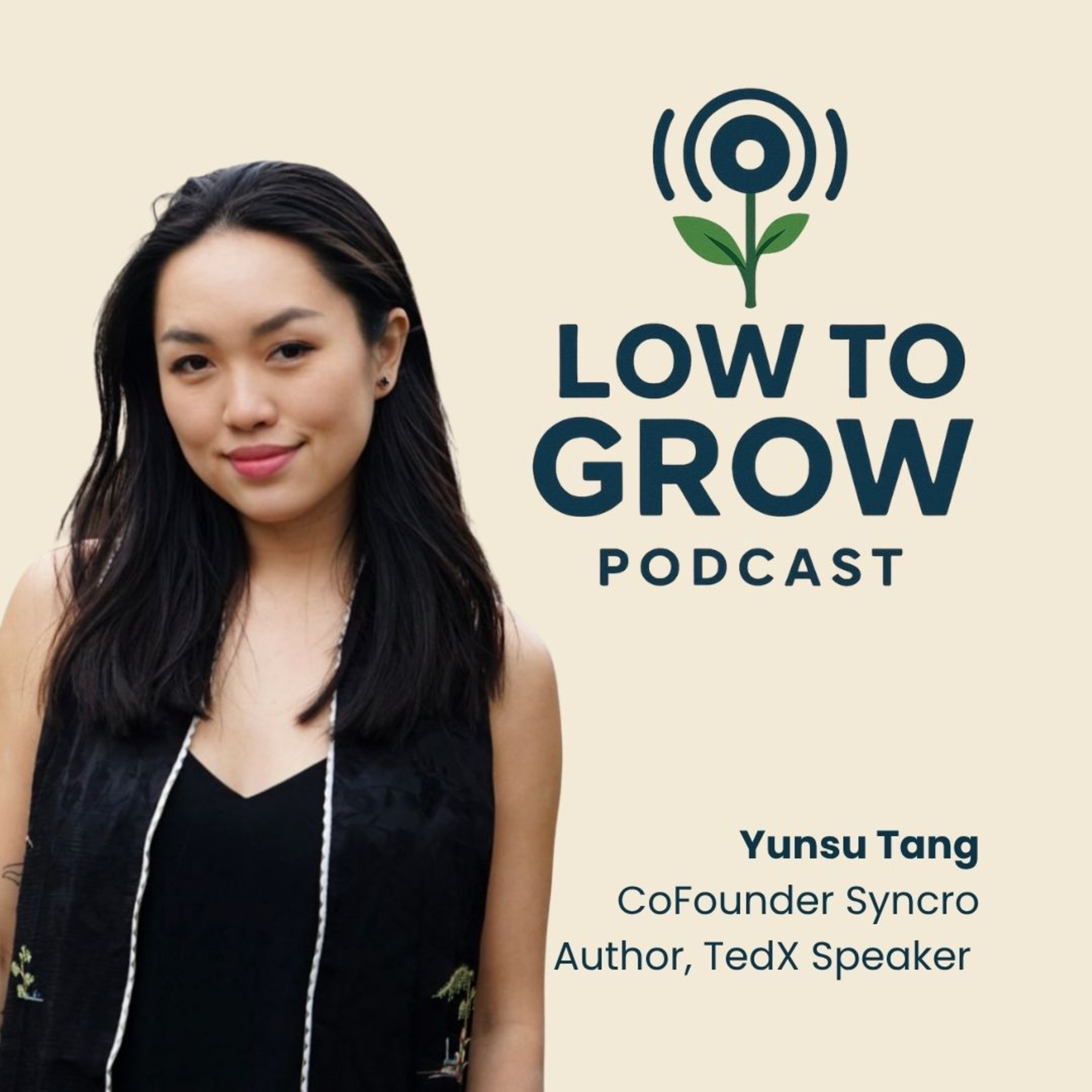
Yunsu Tang
Co-founder & Author · Synchro
Yunsu Tang is a two-time TEDx speaker, co-founder of Synchro (AI-driven stakeholder intelligence), and author of the newsletter From East to West. Born into one of Hong Kong's oldest lineage families, she built her first venture Senie, a coach-matching mental health platform, while completing her master's at LSE, interviewing over 300 professionals on workplace wellbeing. She previously worked in communications and advisory roles at FGS Global (formerly Finsbury) in Shanghai and London.
From East to West Newsletter →Continue listening
More episodes
2026-06-07
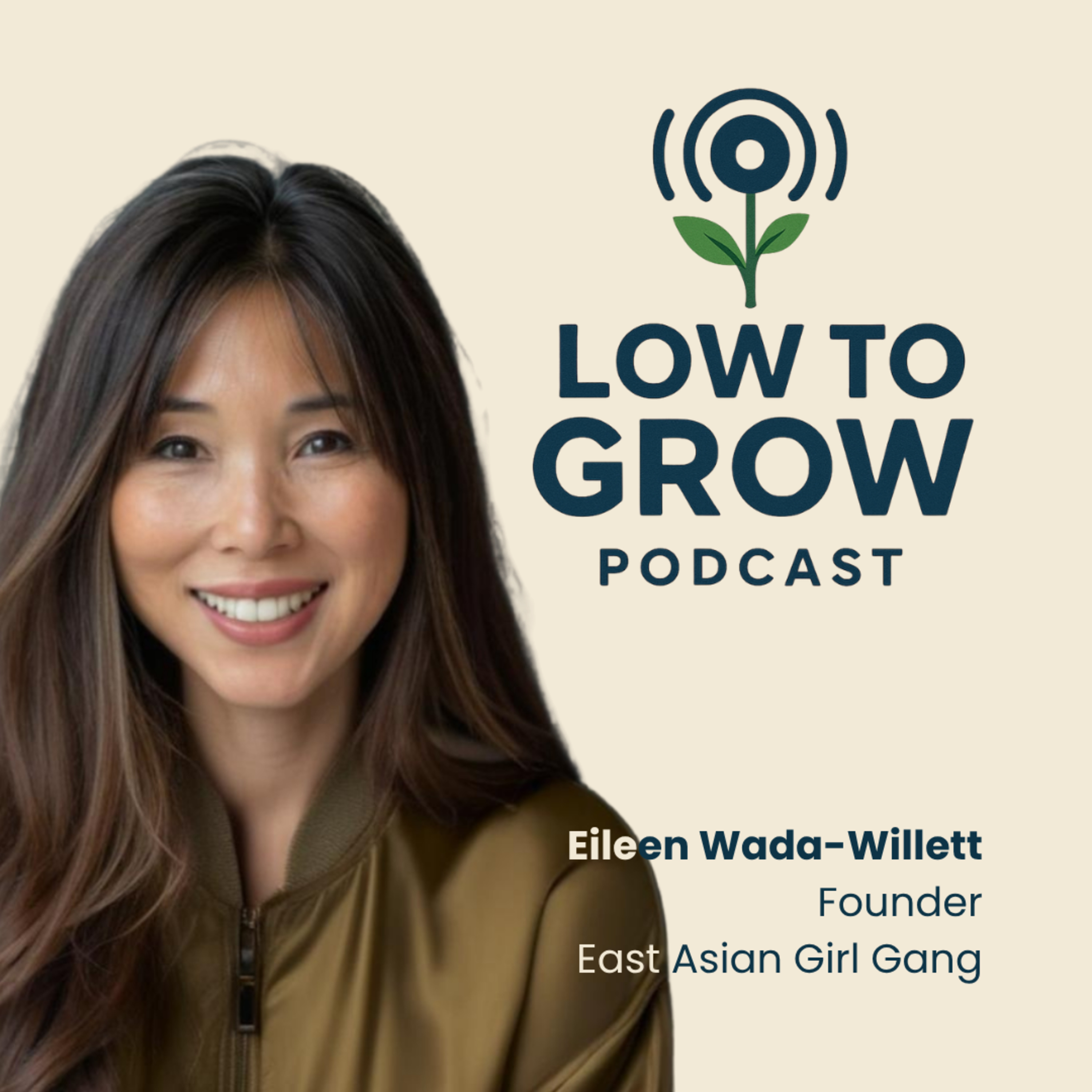
Eileen Wada Willett of East Asian Girl Gang: A Third Culture Take on Identity, Fashion and Community
Listen →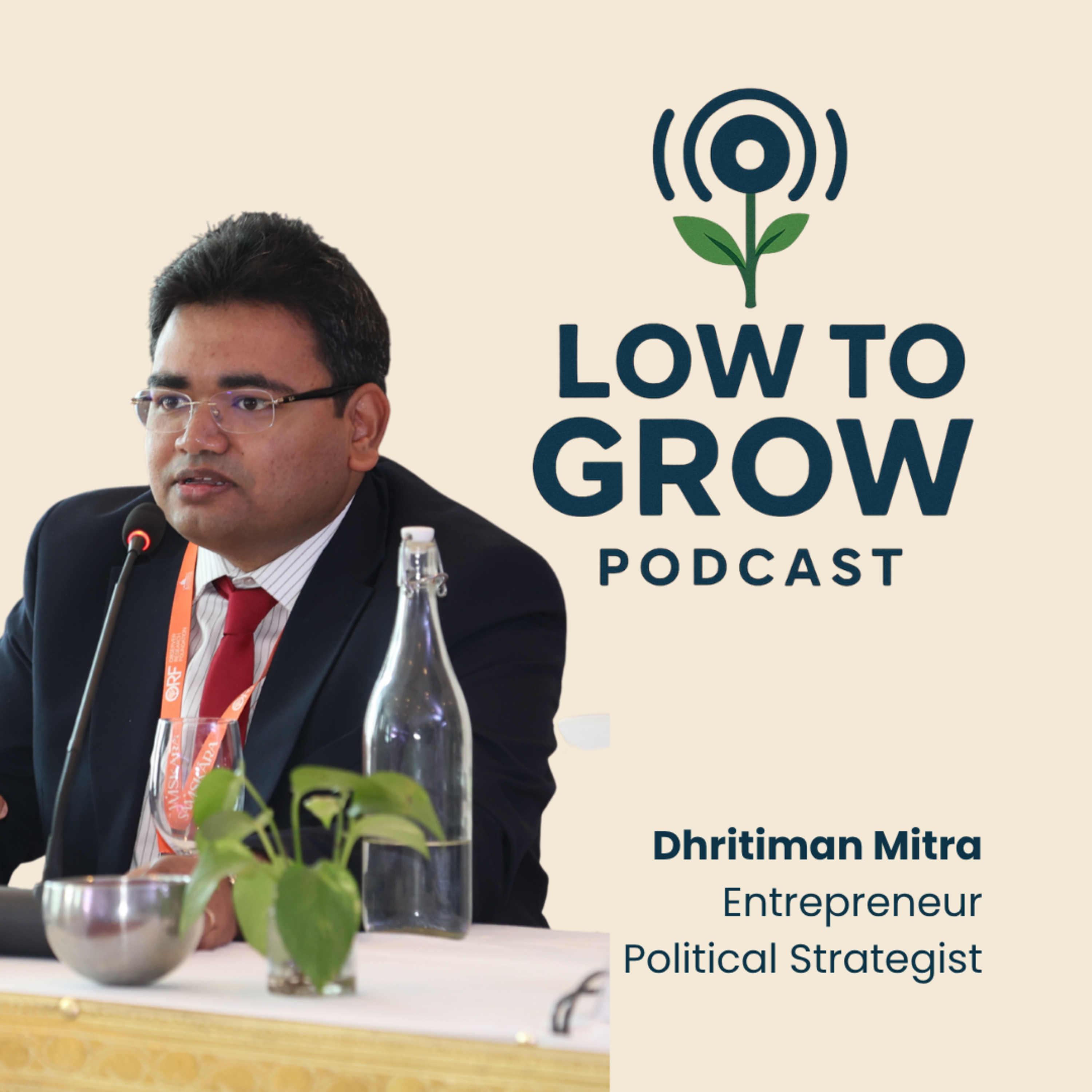
2026-05-24
Dhritiman Mitra Investment Banker and Political Strategist: Insights on Harnessing AI for India's Future
Listen →
2026-05-10